Self publishing, is it worth it ?
An illustrator´s point of view. PART ONE of THREE. Self-publishing… is it worth it? Well, if you search the internet for this topic, you’ll find a million different opinions. Let me give you my opinion about Self publishing then.
CHILDREN'S BOOK ILLUSTRATOR FOR INDEPENDENT AUTHORSIS SELF PUBLISHING WORTH IT?
By Alcaminhante
5/22/20267 min read
The Most Professional,
Best-Looking Amateur
Ever Ignored!
Self-publishing… is it worth it? Well, if you search the internet about this topic, you’ll find a million different opinions out there. Most of them are really negative, saying self-publishing is a waste of time or that it's still a bad idea.
I’ve read a lot about the subject, but I rarely see anyone discussing it from a professional illustrator’s point of view. That’s where I think I can contribute to the conversation and bring a little positive light to this often-trashed idea of self-publishing your own books.
One popular belief is that self-published authors spend more time marketing themselves and stressing about it than they do actually writing and enjoying what they do. Many end up spending 90% of their time on marketing and less than 10% creating something meaningful.
And that’s if they even keep pursuing their dream instead of quitting after the first few months with zero sales and zero visibility. Mostly because, like me, they have zero talent for online self-marketing, or many times — also like me — they simply don’t have the time to do it properly.
That’s where the “90% marketing” argument comes from.
And honestly? It’s very true.
Particularly true if, as a self-published author, you expect to get rich instantly, build a career overnight, or become some kind of internet superstar sensation. For every success story you read online — and some really are true — there are countless self-publishing failures out there.
And I speak for myself, too. Trust me, I’m guilty of many of the mistakes people point out as negatives about self-publishing. Like everyone else, I made a ton of mistakes in my first attempts.
Working full-time in illustration, I hardly have time to illustrate for clients, let alone spend hours every day creating and promoting something for myself. The fact that this blog has been on hold for almost a year is proof of that.
In short, if you don’t market yourself properly, chances are you won’t become a popular author.
BUT…
If you think about it, that’s true for almost everything.
And the first step to avoiding that fate — if you want any chance of achieving something with your book — is simply to put yourself out there.
Don’t be afraid to share your work with the world. Just do it as a hobby. Do it for fun. But do it really well.
In the specific world of children’s books, if you can invest some money into creating a really good-looking, well-produced book, go for it. That’s the way to make an impression.
Rule number one: if you’re trying to understand how to self-publish a children’s book, your work needs to look as professional as possible. In self-publishing, the number one risk isn’t investing money in a project and failing to recover it.
The number-one risk is arriving on the scene and immediately looking like an amateur.
And don’t think that because you’re self-publishing — and therefore maybe not getting much attention — people won’t instantly label your work as amateur. Sometimes that judgment comes from someone who could actually take your book to another level.
Being labelled as an amateur should be your number one fear.
And why?
Because self-publishing, despite all the negative connotations it still carries in many circles, has one fantastic positive aspect that should actually be your number one goal from the very beginning.
Self-publishing can do for your book — with your name attached to it — exactly what the early free online illustration galleries did for illustrators like me back in the late 1990s.
When I first started searching for illustration work online around 1999, websites like the classic Elfwood brought me my first commissions.
Those free online galleries — which later evolved into platforms like DeviantArt — allowed artists to spread their work around and get noticed.
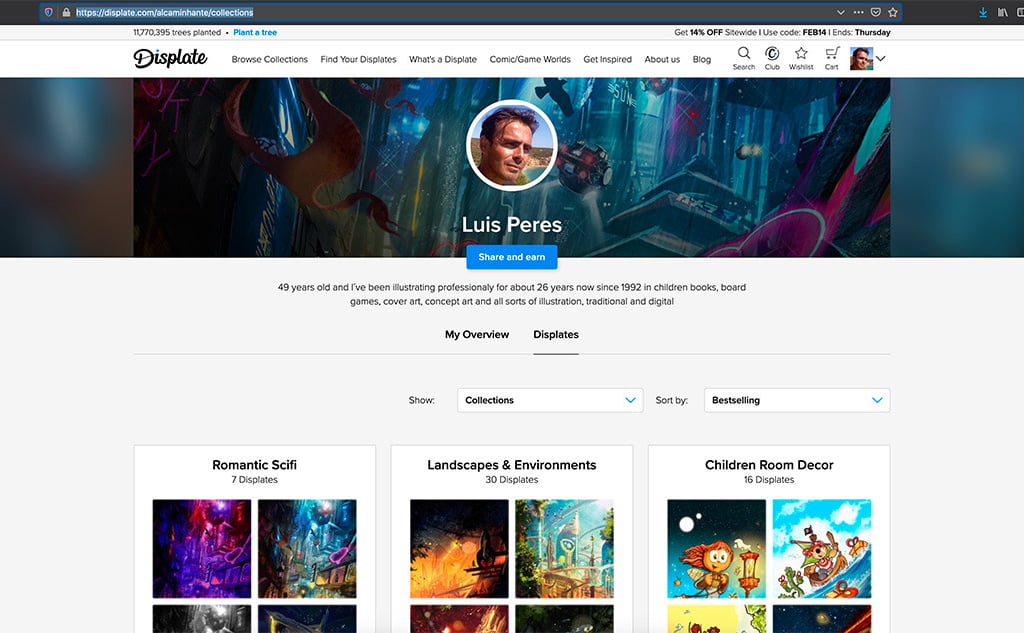
That’s one of the reasons why, nowadays, as an illustrator, I also sell my fantasy and science fiction artwork on Displate and downloadable prints on my Etsy store.
I’m not trying to get rich or become a massive e-commerce entrepreneur. I do it for exposure, because many illustration commissions have already come from clients who discovered my work through those platforms and bought prints from my Displate print shop.
So keep this in mind when it comes to self-publishing, before you get too depressed by all the negativity out there.
Without you even realising it, your work can be seen.
Not only by casual readers, but also by “invisible eyes” connected to illustration agencies, publishing companies, or — when it comes to children’s books — maybe even a major mainstream publisher.
We never know who’s looking at our work online.
And you don’t need 1,000 visits.
You only need one.
The right one.
The one person connected to an established place within the art, publishing, or media industry.
The one person who notices your work and recognises your value and potential.
The one person who contacts you because of your “simple” online presence and opens the door to new opportunities.
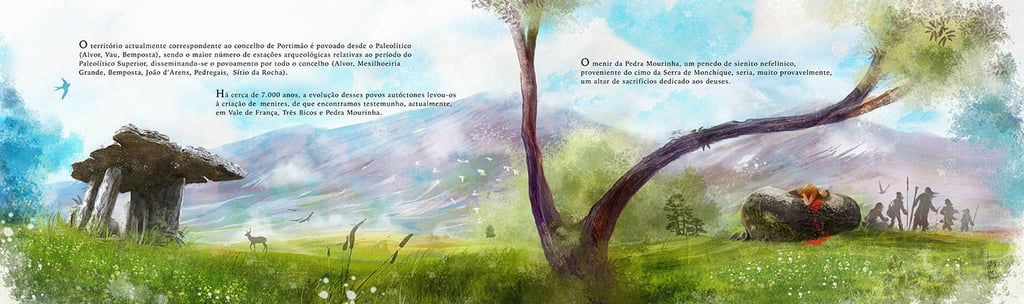
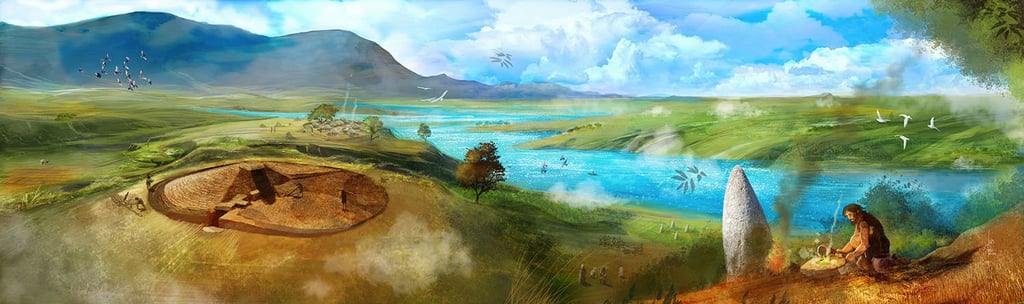
I’m now a full-time online illustrator because of this mindset.
I spent years “failing” and “self-publishing” my artwork all over the internet. And I failed so many times that eventually things started working for me.
So yes, it can happen to you too — whether you’re an artist or an independent children’s book author. You can follow the same path that often contributes to the growth of indie companies like New Paige Press, which is one of my favourite independent publishers to work with.
But none of that will happen if your book looks completely amateur at first glance.
In one second, you can be forgotten. So don’t chase 1,000 visits or 1,000 “likes.”
Chase that one second of attention from the right person.
The one visit that truly matters.
After spending 34 years in illustration — including around 16 years working full-time online, with at least 10 of those years dedicated to creating artwork for independent and self-published authors — I can honestly say that many people who fail at self-publishing are not failing only because of marketing.
There’s more to failure than the usual corporate explanations you find in anti-self-publishing articles.
It won’t matter if your marketing skills are amazing, if you’re the king or queen of social media in your neighbourhood, or if you spend thousands on Facebook ads or Google Ads.
If your book looks ugly and amateur from the start, nothing else matters.
You can have the greatest children’s story ever written — but if the book visually screams “amateur,” you’re gone.


That’s the main thing many negative articles about self-publishing don’t mention enough:
Probably 99% of self-published children’s books fail because they are genuinely amateur and badly produced, especially when it comes to illustration and design.
I see this all the time in children’s book Facebook groups, Instagram pages, and online forums.
Many people believe their story is so amazing that they don’t need to invest in professional artwork, editing, or design.
As an illustrator, I see that constantly.
I see authors asking why their books aren’t selling when the answer is right there in front of them.
And don’t even try explaining it to them. I made that mistake once while trying to help someone, and let’s just say that from now on, unless someone specifically asks for my opinion as an illustrator, I’ll keep quiet. If you’re serious about becoming a children’s book author, remember this:
Just because self-publishing is accessible and often inexpensive, that doesn’t mean you shouldn’t have a proper budget for producing your book.
I’ve seen incredibly amateur projects — the kind only a person’s mum and close friends will praise — where the author genuinely believed professional artwork wasn’t necessary simply because family members loved it.
And yes, “my friends and family love it” has actually been used as a serious argument for quality.
In one case I know personally, an author didn’t want to spend more than $25 per illustrated spread because they found an “artist” on a crowdsourcing website willing to do the entire book for under $150.
Let’s just say this:
You do not want to arrive on the children’s book scene with a $25-per-spread book.
Not even in print-on-demand. No matter how much your mum and friends tell you, it looks amazing.
You usually get exactly what you paid for — and that’s not a compliment.
If you don’t know how to hire a children’s book illustrator, don’t make the mistake of thinking that because you’re “just self-publishing,” or because it’s your first attempt, or because you don’t have much money, it doesn’t matter who you hire.
It matters. Wait a little longer. Save some money. Produce your book properly.
Don’t become one of those self-published authors who contribute to the terrible reputation self-publishing still has in mainstream publishing circles. Those are the projects that justify the bad reputation. Don’t expect to get rich.
But if you do things properly, trust me — you can recover your investment, and you may even be surprised by what happens along the way.
You never know who’s looking at your work online. You only need one person. 😉
Present yourself well. Put a truly professional-quality book out there. And make sure you’re the most professional, best-looking amateur ever ignored.
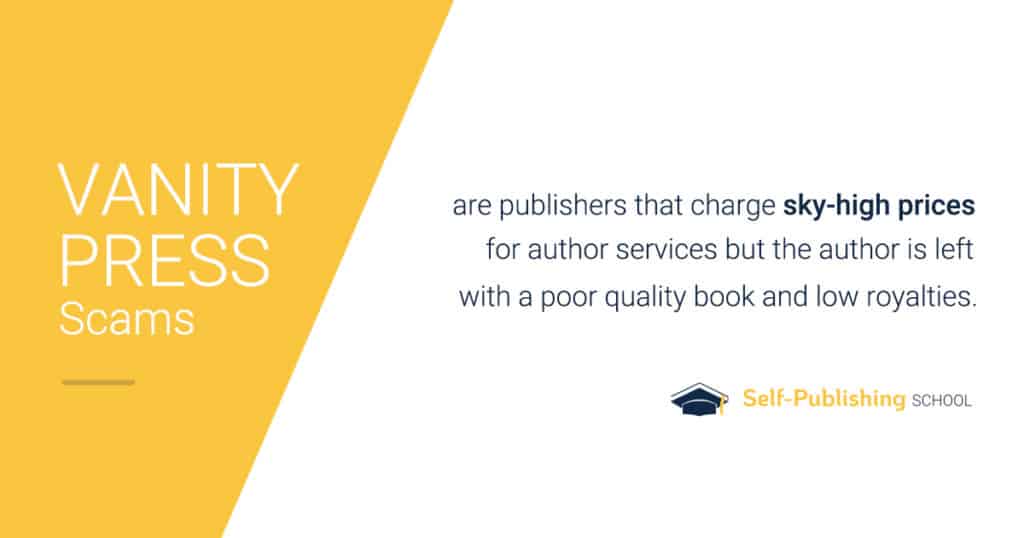
But beware of vanity press scams…
CLICK HERE TO READ PART TWO
COMING SOON