How important is the artwork for your children´s book success?
I´m sure you either already thought about this question, or you never thought about it until now. A strong children’s manuscript can still fall flat if the artwork misses the emotional tone, age level, or storytelling rhythm. That is why authors asking how to get children's books illustrated are really asking a bigger question: how do you turn words into a visual world that feels alive, professional, and ready for readers?
CREATIVE RESOURCES FOR INDEPENDENT AUTHORSHOW TO GET A CHILDREN'S BOOK ILLUSTRATEDCHILDREN'S BOOK ILLUSTRATION PORTFOLIOWHAT IS PICTURE BOOK ILLUSTRATIONHOW TO PREPARE ART NOTES FOR ILLUSTRATORSCHILDREN'S BOOK ILLUSTRATION SERVICES
By Alcaminhante
5/29/20268 min read
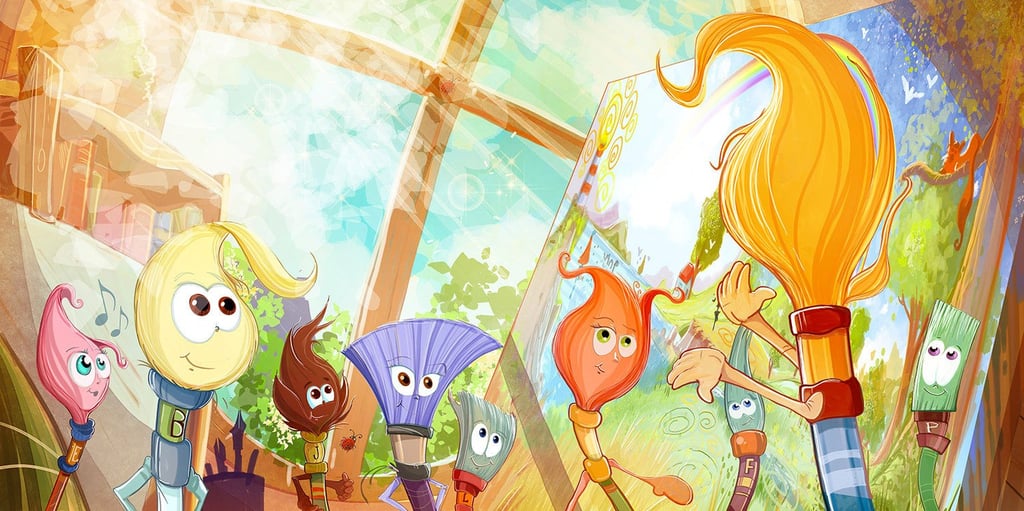
How important is the artwork for your children´s book success?
I´m sure you either already thought about this question or you never thought about it until now.
A strong children’s manuscript can still fall flat if the artwork misses the emotional tone, age level, or storytelling rhythm. That is why authors asking how to get children's books illustrated are really asking a bigger question: how do you turn words into a visual world that feels alive, professional, and ready for readers?
The answer is not simply finding someone who can draw well. Children’s book illustration sits at the crossroads of storytelling, design, pacing, character acting, and print production. The right illustrator does more than decorate a story. They help shape how a child experiences it, page by page.
Above all, the right illustrator will take your book to the next level, and suddenly you will notice that it´s not just your grandmother, parents and friends who are buying your book, but the entire world is noticing it.
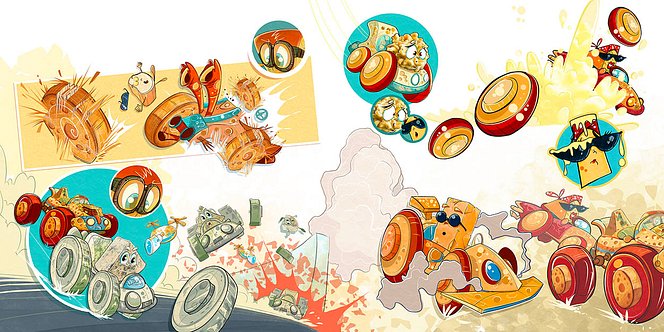
How to get children's book illustrated the right way.
The first step is getting clear on what kind of book you are making. A board book for toddlers, a 32-page picture book (16-spreadpage ), an early reader, and a middle-grade chapter book all call for very different visual approaches. If you start contacting illustrators before understanding your format, you may get wildly different quotes, timelines, and creative directions that are hard to compare. Sometimes that can be a good thing to do; other times it may confuse you even more.
Think about the reading age, trim size, page count, and how central the illustrations are to the story. In a picture book, the art often carries half the narrative, sometimes more. In a chapter book, spot illustrations may play a lighter supporting role. Those differences affect scope, budget, and the kind of artist you should hire.
You also need to know whether you want only interior illustrations or a full package that includes cover art, typography considerations, endpapers, and perhaps even marketing visuals. Many first-time authors underestimate how connected those pieces are. A beautiful interior style that does not translate well to the cover can create a mismatch at the point of sale.
At Icreateworlds.Net, many times when I´m working with indie authors, I tend to go beyond illustrating the story, and I actually end up creating the whole graphic design too. Other times, my clients already have their own book designers, and they are the ones who take my art and create the final print-ready book. If I´m working for a traditional mainstream publisher, I just illustrate the story, but many times a first-time author comes to me with a cool project without knowing how to proceed to make it into a real book and in those cases I usually create not just the illustrations but the overall book design too.
In short, each case is a case, and at ICreateWorlds, I treat every project individually, and you are not just a client that will get some type of fast-food illustration rushed job, as many people who try to save money on platforms like Fiverr tend to regret their decision of hiring the wrong "professional" illustrator.
Start with a real creative brief.
Before you approach any illustrator, prepare a brief that gives shape to your project. This does not need to read like a corporate document, but it should answer practical creative questions. What is the story about? Who is the audience? What emotions should the artwork create? Is the tone whimsical, gentle, funny, adventurous, magical, or educational?
Include your manuscript, estimated page count, a short synopsis, and any notes about character descriptions or world details that truly matter. Be careful here. There is a difference between useful direction and over-controlling every visual choice. If your brief leaves no room for interpretation, you may end up hiring an artist but not benefiting from their storytelling instincts.
Sometimes, artists come across clients who are more interested in hiring an illustrator as a remote-controlled pencil than a professional, and trust that the illustrator will do the best job possible. It´s not by chance that all the indie-books which end up having spectacular failures had one author behind who forced a personal vision instead of trusting the artist to deliver what the illustrator was hired to do.
But this does not mean the author needs to detach from the project. Reference images can help, but use them wisely. They are best for communicating mood, colour sensibility, clothing inspiration, or environmental details, not for asking someone to imitate another artist. A professional illustrator should bring original vision to your book, not produce a patchwork of borrowed aesthetics.
Choose an illustrator based on storytelling, not just style.
A polished portfolio matters, but style alone should not make the decision. Children’s books need expression, continuity, composition, and visual clarity. An illustrator might create stunning single images yet struggle with character consistency across 15 or 20 spreads. Another may draw beautifully but have little feel for page turns, pacing, or the way illustration supports text.
Look for evidence that the artist can carry a narrative. Can they draw the same character from multiple angles while keeping personality intact? Do their scenes feel staged for reading flow rather than just display? Can they handle emotion without becoming visually confusing or overly busy for the age group?
This is one reason experienced children’s book illustrators stand apart. They understand that artwork for publishing has to perform. It has to charm, guide, clarify, and sell. In a portfolio-driven business like ICreateWorlds, the strongest proof is not a single attractive piece but a body of work demonstrating range, consistency, and finished books that function in the real market.
Understand what you are buying.
One of the biggest points of confusion in how to get a children's book illustrated is pricing. Authors often ask for a quote before they have defined the actual deliverables. Illustration costs vary because the job itself varies.
A quote may depend on whether you need character design first, how many full spreads are involved, whether the cover is included, how many revisions are expected, and whether the illustrator is also preparing print-ready files. Some projects require only final art. Others need a full process that includes thumbnails, sketches, colour studies, layout development, and production support.
Rights matter too. Are you licensing the illustrations for a single book edition, or purchasing broader usage rights for merchandise, promotional materials, sequels, and digital products? A lower quote may reflect narrower rights, fewer revisions, or a simpler workflow. That does not make it bad, but it does mean you should compare proposals carefully.
At ICreateWorlds, when indie-authors approach me for a project, they usually expect to retain all the copyrights, and although that is a typical mindset of the common person who has no idea of how the publishing market operates when it comes to copyright licensing, personally, I tend to transfer all copyrights to my indie clients. But copyrights always need to be negotiated.
Cheap illustration can become expensive if it leads to missed deadlines, weak print files, inconsistent characters, or artwork that does not help the book compete. On the other hand, the highest quote is not automatically the best choice. The best value usually comes from a professional process that reduces risk and produces art you can build a publishing product around.
Ask about the process before you sign anything.
A good working process protects both the author and the illustrator. Before committing, ask how the project will move from manuscript to final art. In my case, children’s book illustration projects follow a sequence: discovery, visual development, rough sketches/storyboard, feedback, revise storyboard/sketches (if needed), storyboard approval, final rendering, and file delivery.
This matters because (visual narrative pace) revisions are far easier and less costly at the initial storyboard sketch stage than after final painting begins. If an illustrator jumps straight to finished artwork without a visual narrative structure in place, problems often surface too late. That can create frustration on both sides.
You should also ask about the timeline, communication rhythm, payment schedule, and revision rounds. The best collaborations feel creative, but they are grounded in structure. When expectations are clear, the art has room to breathe.
How to get a children's book illustrated without a creative mismatch.
Creative mismatch usually happens long before the first sketch. It starts when the author hires based on price alone, sends an unclear brief, or assumes the illustrator will somehow read between the lines and land in exactly the right emotional register.
To avoid that, talk about the heart of the book. What should a child feel when they meet the main character? Where should the funny moments land? Is the world cosy or epic? Should the images feel airy and gentle, or packed with visual discovery? These are not decorative questions. They shape composition, palette, character design, and even how much detail belongs on each page.
A sample sketch or character concept can be incredibly helpful before the full project begins, especially for first-time authors. It gives both sides a chance to test chemistry and make sure the visual voice fits the manuscript.
Think beyond the art itself.
Illustration does not live in isolation. The final book has to work as an object readers can hold, and retailers can display. That means considering trim size, typography space, bleed, spine width, and cover impact from the beginning.
A common mistake is crowding every page with text and then asking the illustrator to make it all work. In picture books, breathing room matters. So does page-turn drama. Sometimes the strongest visual decision is restraint.
If you plan to self-publish, ask whether your illustrator understands print specifications and file preparation. If you are pitching to agents or publishers, you may not need a full finished book yet, but you still need professional-quality sample art that represents the story well.
What makes a project go smoothly?
The smoothest children’s book projects usually share three qualities. The author respects the illustrator’s narrative expertise, the illustrator respects the author’s story intent, and both sides understand the book’s commercial goal.
That goal may be to create a standout self-published title, build an author brand, launch a series, or produce a gift-worthy book with lasting shelf appeal. Once that goal is clear, decisions become easier. You can judge style, budget, and scope against what the book actually needs to do.
If you are serious about your book, treat illustration as a creative partnership rather than a last production step. The art is not icing added after the cake is baked. In children’s publishing, it is part of the storytelling structure itself.
A good illustrator can make your world visible. A great one helps make it unforgettable. Choose the person who not only draws beautifully but also understands how to carry a child through your story with wonder, clarity, and purpose.