How to Find a Children´s book illustrator
A Children´s book illustrator play a crucial role in transforming words into vivid, memorable experiences for young readers. In a genre where visuals often carry as much weight as the text, the right illustrations can spark imagination and build emotional connections.
By Alcaminhante
5/25/20269 min read
The self-publishing boom is real, and the competition is fierce. Here's how to cut through the noise and find the right illustrator for your story.
The total number of books published in the U.S. in 2025 jumped 32.5% over 2024, to more than four million books, and the increase was led by self-published works, for which the number of print and e-books soared 38.7% to more than 3.5 million. That means the marketplace is more crowded than ever. Therefore, if you want your children's book to stand out, the illustrator you hire is one of the most important decisions you'll make. And I've found that most indie authors make this decision way too casually.
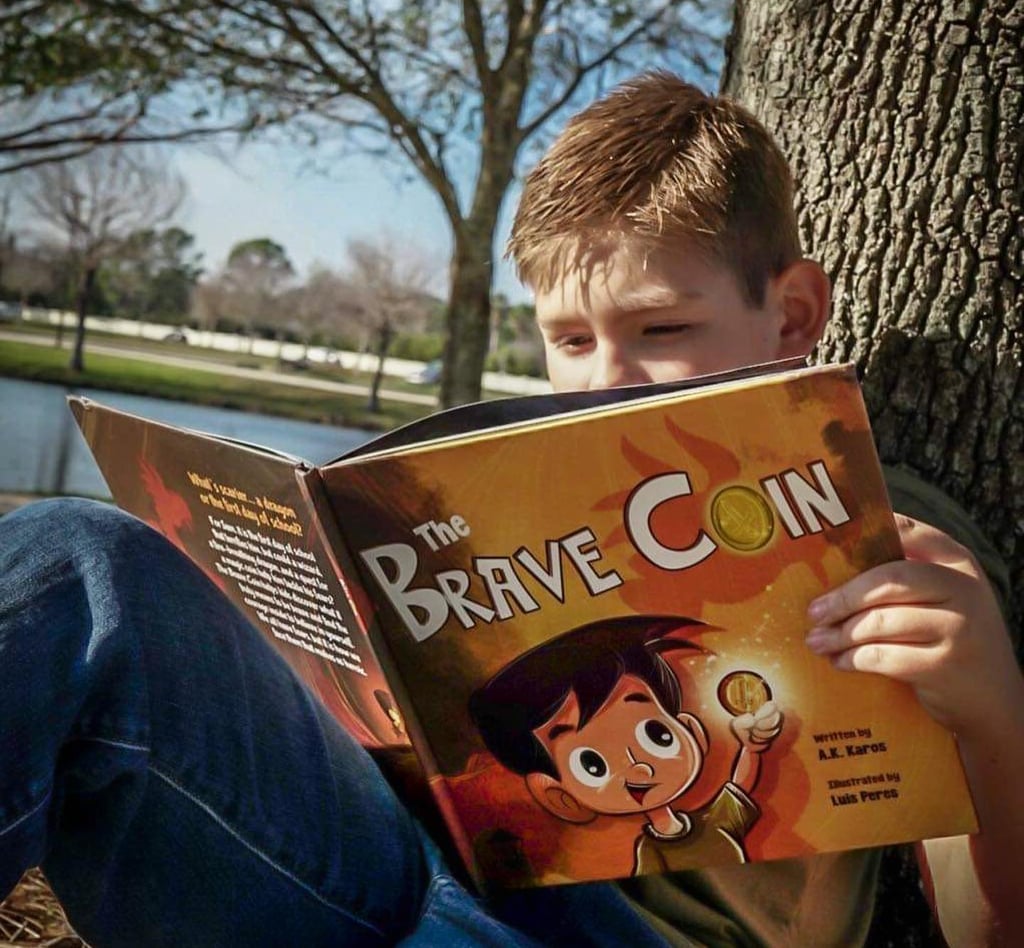
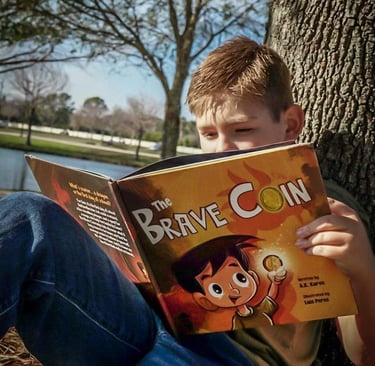
Children's book illustrators play a crucial role in transforming words into vivid, memorable experiences for young readers. In a genre where visuals often carry as much weight as the text, the right illustrations can spark imagination, build emotional connections, and bring your characters to life — that's why hiring the right children's book illustrator isn't just a creative decision — it's a strategic one.
Key Takeaways:
The market is booming — quality separates winners. The global children's book self-publishing service market was valued at USD 5.35 billion in 2024 and is projected to grow to USD 6.82 billion by 2032. More competition means more pressure to look professional. Hire accordingly.
Experienced illustrators save money in the long run: Established illustrators often start around $500 per page, but they often save time and revision costs because they understand the nuances of visual narrative.
AI art is a legal minefield: Some portfolios contain AI-generated images presented as hand-drawn work. Beyond the serious ethical and copyright questions, if discovered during or after publication, it can invalidate your copyright protection for the illustrations. Always ask for process sketches.
A contract is non-negotiable: Unclear contracts or handshake agreements often lead to scope creep, rights disputes, and financial disagreements. Professional illustrators should have clear terms that protect both parties.
The Channels Worth Your Time.
There's no shortage of places to look. With the rapid growth of self-publishing and online resources, it's now possible to find freelance artists entirely online.
Social media platforms like Instagram, Twitter, and Facebook groups are excellent places to find illustrators — you can use hashtags and search functions to find artists who specialise in children's book illustrations. Search #childrensbookillustration or #kidlitart to discover hundreds of working illustrators.
In my experience, one of the most underused channels is going directly to a specialist illustrator focused on children's books.
I, at ICreateWorlds, have been illustrating professionally since 1992 — bringing decades of picture book expertise that generic freelance platforms usually can't match. Most of my indie clients arrive through word of mouth, so I must be doing something right.
The Risks of Going Too Cheap.
Freelance marketplaces like Fiverr and Upwork offer the widest price range but the highest risk. Low-cost listings frequently involve AI-generated portfolios, uncredited subcontractors, or bait-and-switch quality — so if you want to try to go through there, verify everything through a paid test piece before committing.
Pro Tip: Treat any quote under $1,500 for a full 32-page book as a red flag. Professional-quality illustration cannot be produced at this price point — what you'll likely receive is AI-generated art, outsourced work, or an illustrator who will abandon the project mid-way.
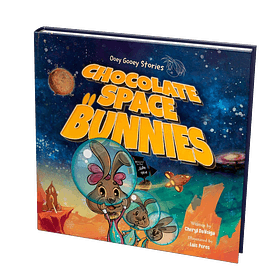
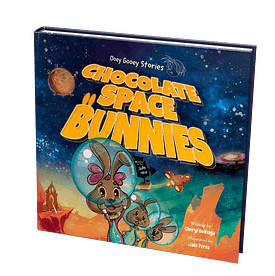
How to Evaluate an Illustrator's Portfolio Like a Pro:
The "Story Test" — Your #1 Filter.
A portfolio shouldn't just show that someone can draw — it should show they can tell a story. When you review children's book illustrators for hire, look for "sequential art": a series of 3–4 images from the same story.
The number one red flag is inconsistent characters. A children's book isn't a collection of standalone pin-ups — it's a narrative. The protagonist needs to look the same on page 1 as they do on page 32. If you see a character who looks like a toddler in one drawing and a teenager in the next, that illustrator hasn't mastered character consistency.
Technical Green Flags to Look For.
Published picture books in the portfolio prove the illustrator can deliver a full project — not just isolated pieces. If they have no published books, look for complete dummy books or sample projects that demonstrate full-book capability.
Also check that the artist understands layout: you need an artist who understands where the text will live — look for "vignettes" (art surrounded by white space) and "spots." This shows they are thinking about the final product, the actual book, not just a standalone painting.
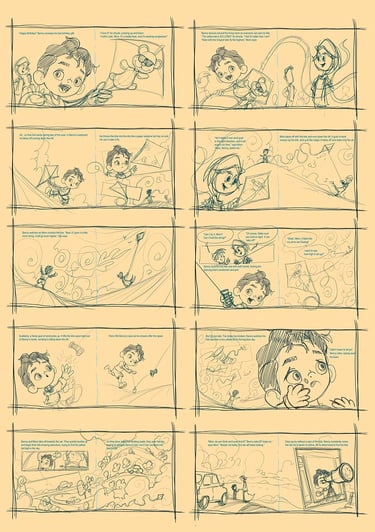
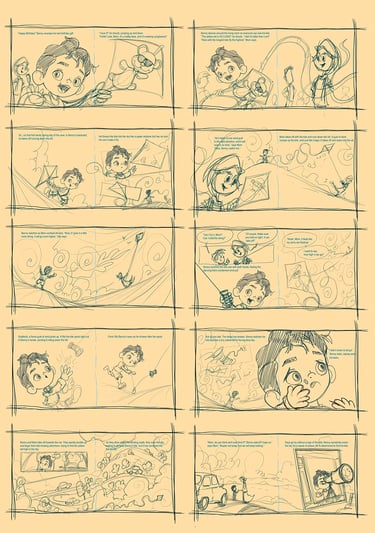
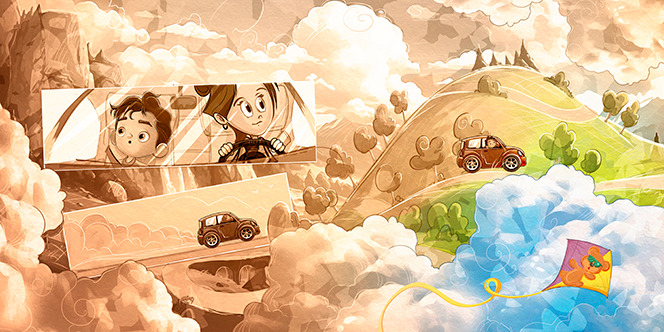
The fastest way to assess fit is to ask for a storyboard sketch before committing, and that is what I provide. For independent authors looking for illustration services, ICreateWorlds offers a free consultation — say 'Hi', and I will send a storyboard showing how I structure your story as a book, along with a sample spread that gives you a glimpse of how your book could look. It's a no-obligation opportunity to see if you're a good fit.
Understanding Illustrator Pricing in 2026.
What You'll Realistically Pay:
In $US, the average cost ranges from $75 to $500 per page, depending on the illustrator's experience, the complexity of the artwork, and usage rights. Here's a practical breakdown:
Beginner/Student: $25–$75/page — building their portfolio, higher risk
Mid-career professional: $75–$200/page — solid portfolio, some published work
Established professional: $200–$500+/page — proven track record, lower revision risk
For a 32-page picture book, you might expect around 12–16 full illustrations and several smaller pieces, bringing the total cost to anywhere between $2,500 and $10,000 for most self-published authors. Therefore, budget at least $2,500–$5,500 for a professionally illustrated picture book, and treat it as a marketing investment, not just a production cost.
Smart Pricing Models
Myself at ICreateWorlds, I don't charge per image — I charge per project. This is because one illustration might take 8 hours, while another could take 4, 12, or much more. A flat per-image rate can reduce the illustrator's value or cause the client to overpay. The per-project model ensures fairness for both parties.
Pro Tip: Bundle your work — hiring the same illustrator for the cover and interior can reduce your overall cost and ensures complete visual consistency throughout your book. In my case I offer the cover free of charge, along with some other minor extra things which you will learn about if you contact me today with your project.
Red Flags to Avoid Before You Sign Anything.
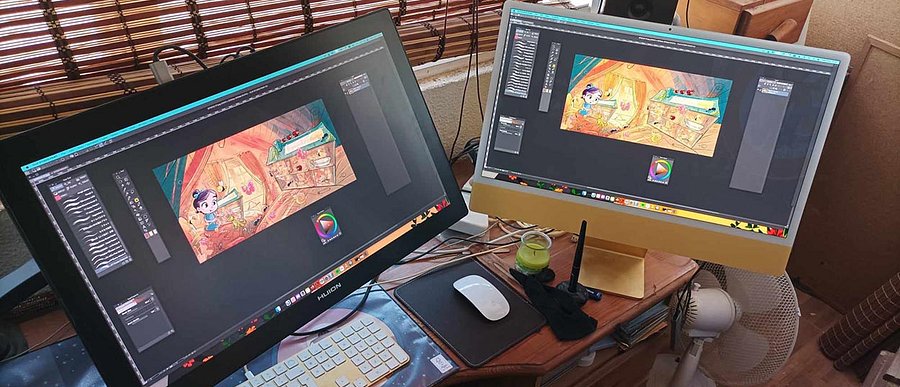
Watch out for AI-generated images in portfolios presented as original hand-drawn or digitally painted work — sometimes mixed with genuine work to obscure the AI-generated content. Ask for process sketches or a Procreate time-lapse video to confirm the work is genuinely human-made.
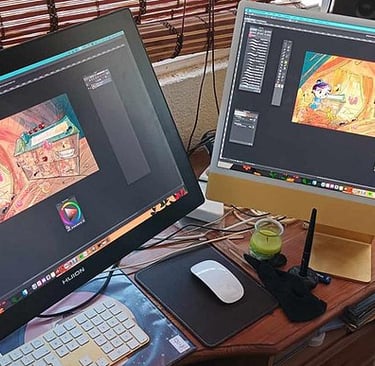
If you are not sure what I´m talking about, take a look at my making-of section on my site, where you can see in my videos how I, a real human, create illustrations.
If a potential illustrator suggests you just trust them, work on a handshake, or says a contract is "unnecessary between artists", walk away. A professional who refuses or discourages a contract is either inexperienced or has something to hide. Contracts protect both parties, and any resistance to one is a serious warning sign.
"Ghosting" — a freelancer stops responding mid-project — is rare with established professionals but disturbingly common with inexperienced illustrators on marketplace platforms.
This is exactly why working with a veteran illustrator like myself at ICreateWorlds.net — who has experience helping print-on-demand clients get their personal book projects done and has more than fifteen years of experience working long distance over the web — dramatically reduces your risk.
Pro Tip: Use a milestone workflow — storyboard thumbnails → test pic → character approval → storyboard approval → final art. This prevents costly redraws later. Any professional illustrator should structure their process this way by default. Myself as I have a more organic creative process than most traditional illustrators, I tend to go from the storyboard phase + test pic phase right into the final rendering of each book. Because I create all my artwork in several layers, at the end, any revisions can be requested and I can change most anything.

Frequently Asked Questions:
How long does it take to illustrate a children's book?
With a more traditional illustrator, you usually need to expect the process to take 3–4 months for a 32-page picture book. BUT...I´m not your traditional illustrator; over 34 years of experience, I´ve developed my own creative process. Nowadays, when I´m working for an independent author, depending on the complexity of each story, I can illustrate a book in 3 to 6 weeks. This is actually one of the reasons that keeps getting me work and clients returning for books 2, 3, 4, and even 5.
Plan your publishing timeline around these milestones — rushing the illustration process is one of the most common and costly mistakes indie authors make.
Should I go with a freelancer or an illustration studio?
Both have valid use cases. Hiring a freelance illustrator means working directly with an individual artist rather than through a publisher or studio. This approach offers significant advantages — creative intimacy, often lower prices, and direct communication — but it also carries real risks that first-time authors often underestimate. If you're a first-timer, a specialist illustrator with a dedicated focus on children's books (not a generic cheap Fiverr gig) is usually the safest, most cost-effective route.
Who owns the illustrations after the project is complete?
By default, in the mainstream professional publishing world (away from the indie self-publishing scene), illustrators retain copyright and grant you usage rights for print, digital, and other formats. If a publisher needs full ownership or wants to use the art for merchandise or translations, they must negotiate licensing terms in a contract.
This is actually a concept that blows the minds of every independent author. Everyone immediately thinks, "How come I do not own the rights to all the illustration work I commissioned from an artist after all I'm paying?!" Well, in the traditional mainstream publishing professional scene, as I mentioned before, you wouldn't. That is not how illustration copyright is understood and contracted in the traditional real mainstream publishing world. It´s actually one of the reasons there are no perpetual rights, too. A publisher can only contract for the exclusive use of the images for a determinate period, regardless of whether it commissioned them.
BUT... In my case, and understanding how weird this idea sounds to independent authors, every indie author or children's book author who hires me will get full copyright to the pics I do for that project. My final flat rate will already include a copyright fee. So in my case, if you are an indie author or a self-publishing children's book author, you will own full rights to the artwork I will send you. I will keep the right to display some images on my portfolio, as that is a universal creative right.
Always discuss copyright and usage rights clearly before the project begins, and get everything in writing.
The contract covers legal details like crediting, copyright, and royalties. In self-publishing, the author usually pays a flat fee for the illustrator's services rather than ongoing royalties. When the project is complete and payment is made in full, the contract specifies that the copyright in the images is transferred to the author for the purpose of publishing, marketing, and selling their book.
How do I know if an illustrator is the right fit for my story?
First, assess their artwork — you should feel excited to feature it in your book. Then, examine their previous projects, particularly other picture books they've illustrated, to understand the types of projects they prefer to work on. And always commission a sample before committing to the full project. The ICreateWorlds free consultation is a perfect, zero-risk way to do exactly this.
Sources
1. Book Output Topped Four Million in 2025 — Publishers Weekly. Self-publishing surge statistics by Bowker. https://www.publishersweekly.com/pw/by-topic/industry-news/publisher-news/article/99943-book-output-topped-4-million-in-2025.html
2. Children's Book Self Publishing Service Market Outlook 2026–2032 — Intel Market Research. Global market size and growth projections. https://www.intelmarketresearch.com/childrens-book-self-publishing-service-market-24042
3. How to Hire a Children's Book Illustrator: 2026 Guide — US Illustrations. Pricing, red flags, and hiring channels. https://www.usillustrations.com/blog/hire-childrens-book-illustrator
4. How to Find and Hire the Best Children's Book Illustrators — SelfPublishing.com. Portfolio evaluation and sourcing strategies. https://selfpublishing.com/childrens-book-illustrators/