Picture Book Illustrator vs Graphic Designer/Book Designer
Picture book illustrator vs graphic designer or book designer: learn the real difference, where roles overlap, and who your book project actually needs first.
CHILDREN'S BOOK ILLUSTRATOR FOR INDEPENDENT AUTHORSHUMAN ILLUSTRATORCHILDREN´S BOOK ARTISTCHILDREN'S BOOK ILLUSTRATION SERVICESSELF PUBLISHINGCREATIVE RESOURCES FOR INDEPENDENT AUTHORSHOW TO GET A CHILDREN'S BOOK ILLUSTRATEDFREELANCE CHILDREN´S BOOK ARTISTHOW TO FIND A CHILDREN'S BOOK ILLUSTRATORDO I NEED A GRAPHIC DESIGNER FOR MY BOOK?
By Alcaminhante
6/2/20269 min read
A manuscript can be strong, the concept can be charming, and the market can be right - yet a children’s book still falls flat when the visual role is miscast. That is where the question of picture book illustrator vs graphic designer becomes more than job-title trivia. For authors and publishers, it affects storytelling, production quality, budget, and whether a book feels alive on the page or merely arranged.
These two creative roles overlap just enough to confuse first-time clients. Both work with images. Both make visual decisions. Both can shape how a book is perceived. But they are not interchangeable, and treating them as such often leads to weak covers, awkward interiors, or artwork that looks attractive without actually serving the story.
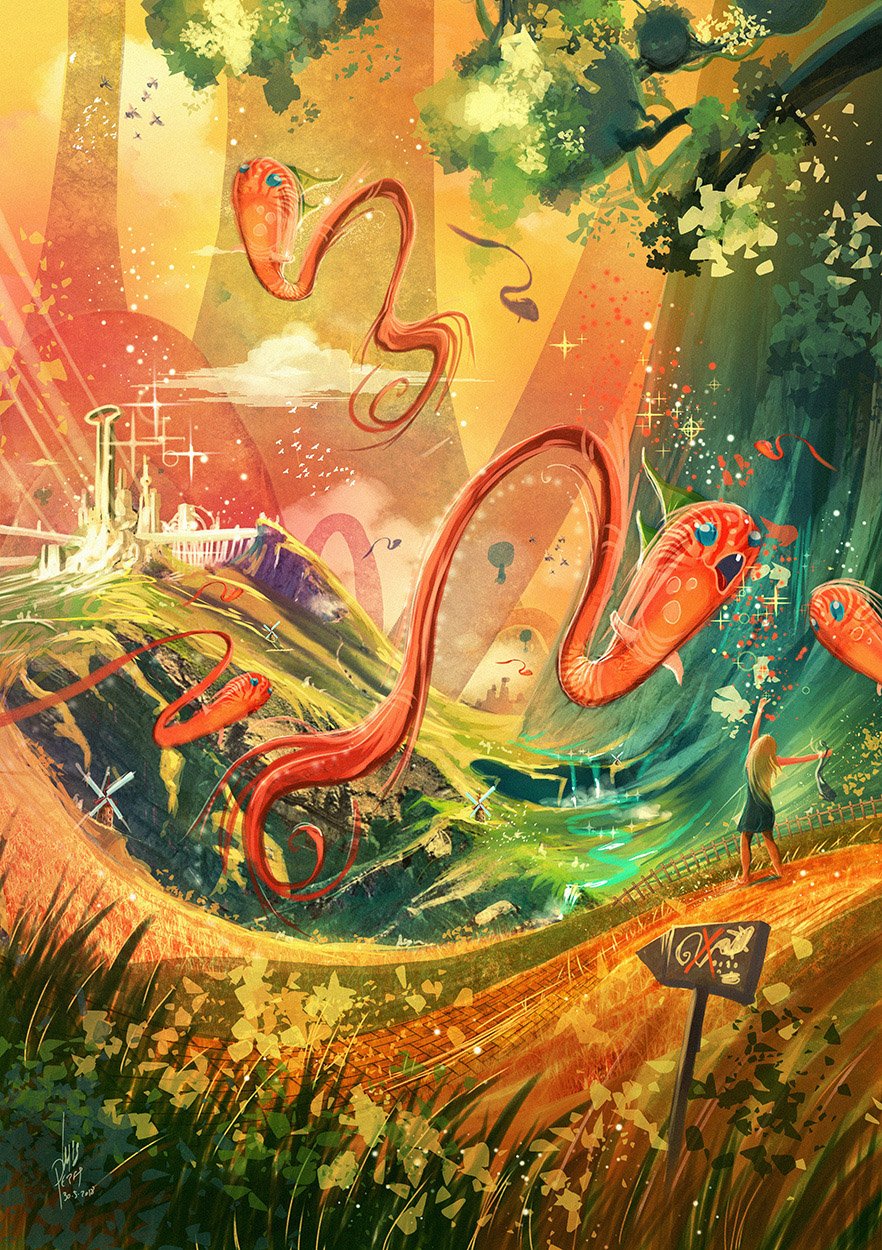
Picture book illustrator vs graphic designer: the core difference.
A picture book illustrator is primarily a storyteller. His job is to interpret a manuscript through character acting, scene design, pacing, emotion, visual continuity, and worldbuilding. Illustrators are responsible for the art that gives the book its heart. In a strong picture book, the illustrations do not simply decorate the text. They carry narrative weight, reveal subtext, and create the emotional rhythm children respond to.
A graphic designer, by contrast, is primarily an organiser of visual communication. In publishing, that usually means typography, cover layout, page architecture, hierarchy, readability, trim-size considerations, print setup, and the polish that turns assets into a finished product. A good designer makes sure the book reads clearly, looks professional, and functions as a market-ready object.
This is why, in the book world, a Graphic Designer can also be known as a Book Designer, which is the same as a Graphic Designer who specialises in book design.
If you are an indie-author, a self-published writer, when you are publishing your children´s book, for example, you need both, although people outside the professional publishing scene tend to confuse Illustrator for Designer, and many think that when they are hiring an illustrator, that professional is going to also do the design. It can happen, but not all the time. More often than not, you need both types of professionals to put your book out there.
One builds the visual world with illustrations. The other shapes show how that world is presented and prepare the final print document so you can print the actual book.
That distinction matters because children’s books live or die by storytelling clarity. If your main need is expressive characters, memorable scenes, and artwork that can hold a child’s attention before they can even read, you need an illustrator. If your manuscript has already finished art and now needs typography, cover composition, and production structure, you need a designer.
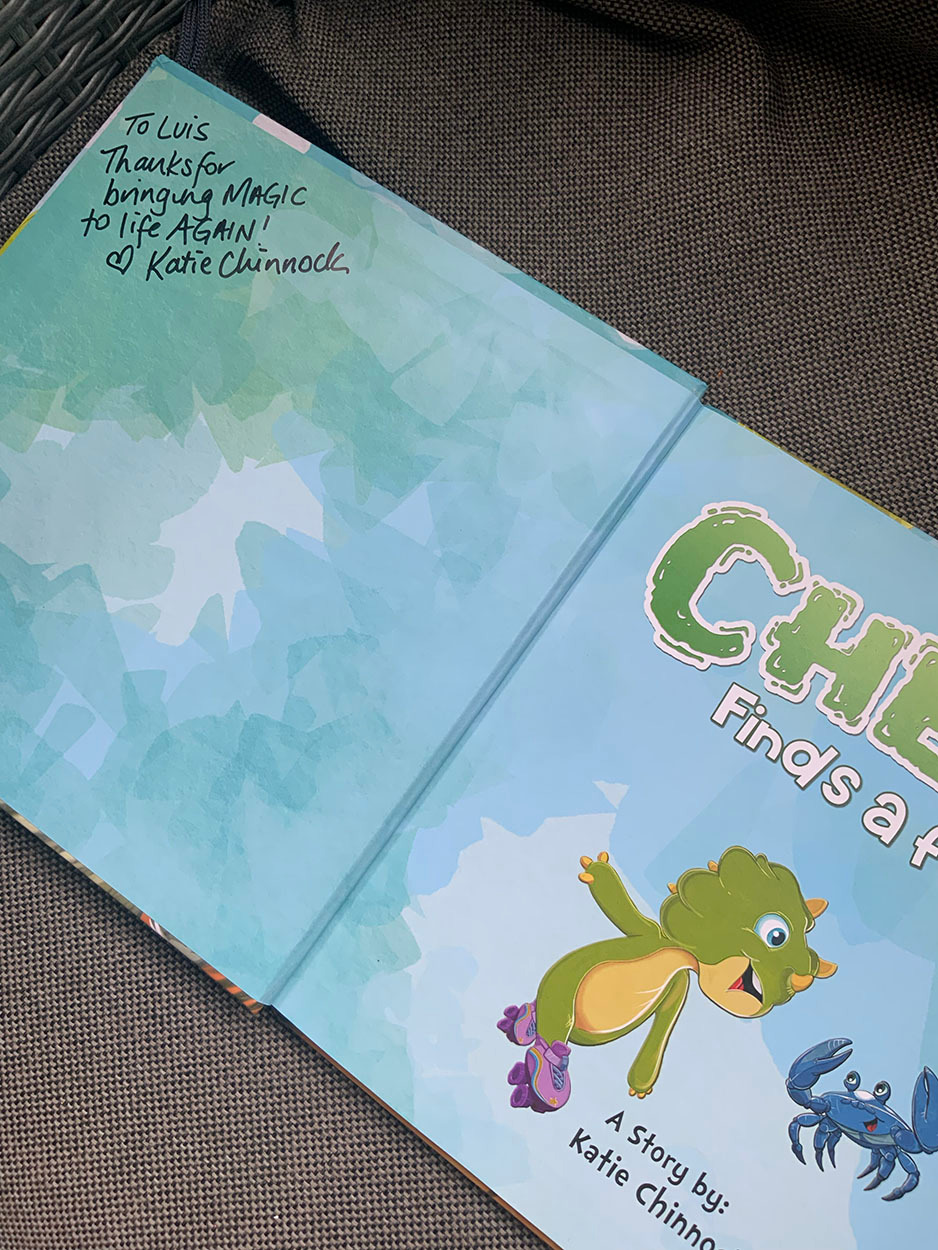
What a picture book illustrator actually brings to a book.
Many independent authors assume illustration is just the act of making pretty images. In professional picture books, it is far more demanding than that. An illustrator has to think like a director, actor, costume designer, cinematographer, and child psychologist all at once.
Illustrators decide how a character looks from every angle, how that character emotes, how a page turn can build surprise, and how colour can support tone. They think about recurring visual motifs, age-appropriate appeal, and whether an environment feels coherent from spread to spread. They also know when not to show everything. Good picture book art leaves room for discovery.
This is especially important for authors who write sparse text. In many children’s books, the illustrations do half the storytelling or more. If the manuscript says, “Milo went into the woods,” the illustrator may be the one showing whether those woods feel magical, eerie, playful, ancient, or funny. That choice changes the reading experience.
An experienced illustrator also understands visual consistency across an entire book. A charming single image is not enough. Can the character remain recognisable across 32 pages? Can the emotional arc escalate naturally? Can the scenes vary in composition so the book never feels static? That is where seasoned storytelling craft shows.
What a graphic designer/ book designer brings that illustration alone cannot.
Graphic design becomes crucial once the artwork needs structure. Even beautiful art can be diminished by poor typography, awkward text placement, or a cover that does not communicate clearly at thumbnail size.
When it comes to book design, a graphic designer ( playing the role of a Book Designer) thinks about composition differently. The designer considers title treatment, font pairing, back-cover balance, barcode space, spine readability, and how text and image interact without competing. Inside the book, they may handle typesetting, page numbering, front matter, imprint details, and the technical setup required for print or digital distribution.
For picture books, the book designer’s role may be less visible to the casual reader, but it is never minor. Children are sensitive to clutter and confusion, and adults buying books make snap judgments based on visual professionalism. A good book designer helps the book feel finished, credible, and easy to engage with.
This is also where production experience matters. Print margins, bleed, CMYK conversion ( I´ll do an article on this later ), and file prep are not glamorous topics, but they can save a project from expensive mistakes.
Where the roles overlap - and where confusion begins.
The reason indie authors often hesitate over hiring a picture book illustrator vs a graphic designer is simple: some creatives do a bit of both. An illustrator may design a cover. A designer may create simple spot art. A studio with broad publishing experience may offer both under one roof. At ICreateworlds, when working with indie authors, I often handle both tasks, as I also have a Graphic Design background, though these days I work 90% of the time in illustration only.
That does not erase the difference. It just means some professionals have cross-disciplinary skills.
The real question is not whether one person can technically do both. It is whether they can do both at a high level for your specific project. A picture book demands strong narrative illustration. A commercial cover demands strategic design. Interior typography demands production discipline. Some artists handle this beautifully. Others are strongest in one lane and should stay there.
When working with independent authors, many times there´s a budget issue on their side, as many new indie authors have no clue that they need more than just an illustrator to put a good book out there. On those occasions, in order to help them save costs on their side, it´s the only time I also work on their book design and not just on the illustrations. But I always encourage my clients to hire their own established book design professional outside of hiring me for the illustrations, as someone dedicated 100% to book design, as I´m dedicated 100% to illustration in my field, will always do a superior job.
The same goes for finding a good editor to help you on your book publishing journey.
Before a book reaches my hands, my client has already worked with a professional editor to fine-tune the narrative, which I also advise newbie authors to do before hiring an illustrator or a book designer. Nothing helps an illustrator more than working with a professionally edited text.
Almost all of the successful indie authors I´ve worked for use their own book designers, and I just do what an illustrator is paid for. I do the illustrations ( sometimes I illustrate a cover too ), and then I send all my illustration work to my client´s book designer. That professional will be the one creating the final layout and preparing the book for print on top of all the illustration material I send in, for which I was paid by the author/client.
And the same philosophy applies after the book is done and the marketing phase starts. A good way to put your book out there is hiring the right person to create a book trailer and post it all over the internet, as people love to see a book come to life in animation, even if it´s just a book trailer.
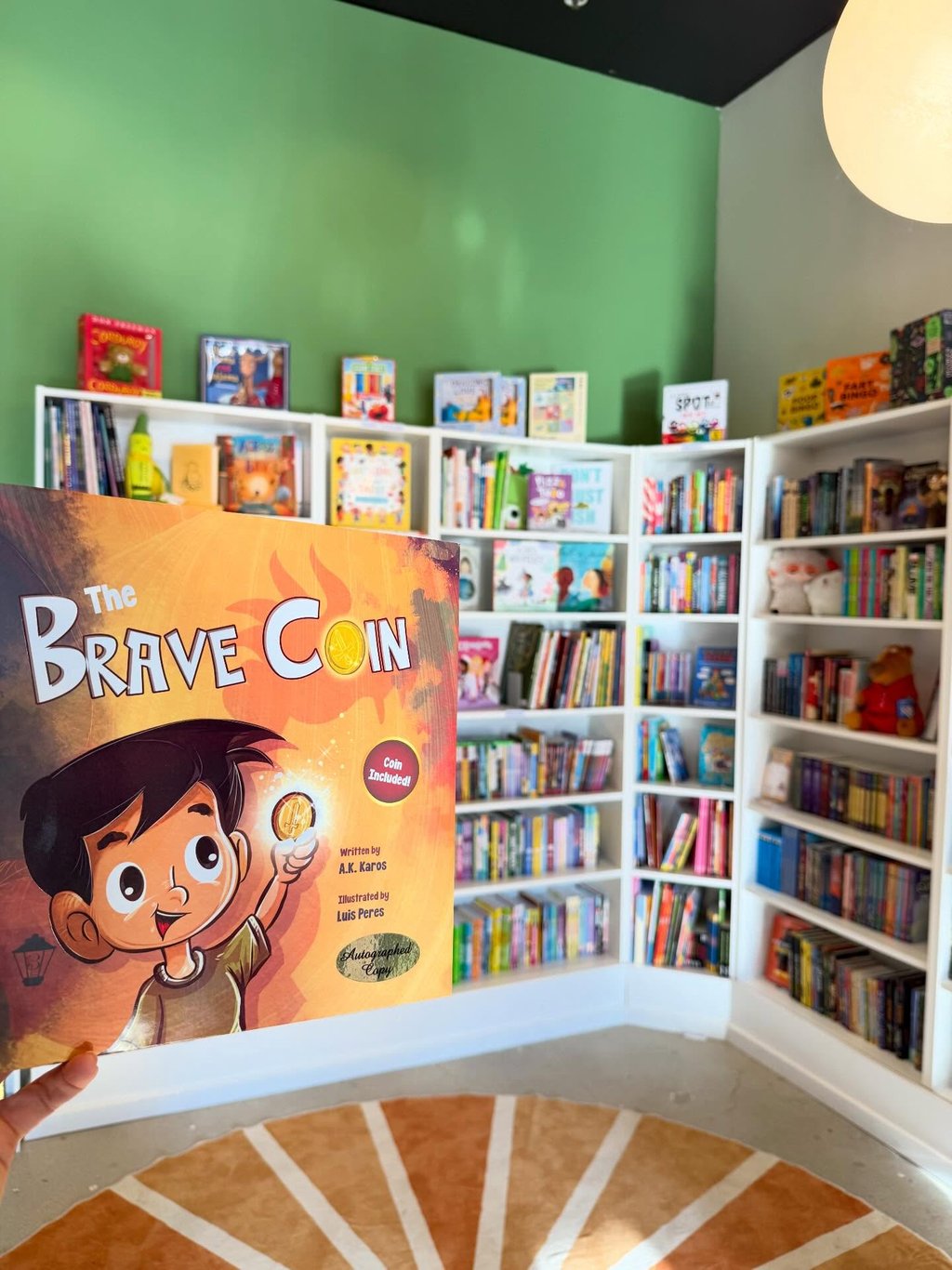
For clients, this is where portfolios tell the truth. If you are hiring for a children’s book, look beyond isolated images. Study full spreads, recurring characters, emotional range, cover presentation, and whether the final books look publishable. A portfolio built around visual storytelling will look very different from one built around brand layouts or marketing graphics.
Which one do authors and publishers need first?
Usually, when your text is ready and finely tuned by a professional editor, the illustrator comes first for a true picture book. That is because the story images define the book’s identity. Once the visual world exists, design decisions can be made around it.
But there are exceptions. If the book already has completed illustrations and now needs a professional cover layout and interior formatting, the designer may be the immediate priority. If you are creating a heavily typographic educational title with limited illustration, design may even take the lead from the beginning.
Or you can hire an illustrator to create a cool cover artwork, then send the illustration to a designer of your own, who will work on the actual cover layout. As you can see, the choices are almost endless, but ultimately you cannot avoid the illustration or graphic design phase.
For many independent authors, the smartest path is not to choose one role in isolation but to understand the sequence. First ask, “What is missing from the book right now?” If the answer is emotional storytelling, character appeal, work with a professional editor. For the right visual narrative, hire the illustrator. If the answer is polish, readability, print setup, and sales presentation, hire a good designer.
Once the book is done, as I mentioned, there´s also no harm in starting your marketing journey by creating a good trailer for it.
Hiring mistakes that cost the book quality.
One common mistake is hiring a graphic designer to solve a storytelling problem. Designers can improve presentation, but they cannot invent the narrative richness of a skilled picture book illustrator. If the characters feel flat, the scenes feel generic, or the world has no magic, better typography will not fix that.
The opposite mistake happens too. Authors sometimes hire a great illustrator and assume the final files are ready for publication. Then the cover title is weak, the text placement feels improvised, and the printed book lacks the refinement readers expect.
Another issue, as I mentioned briefly before, is budget compression. Some clients try to force one person to do everything because it seems cheaper. Sometimes that works, especially when the artist has genuine publishing experience across both illustration and design. Sometimes it produces a book that is adequate in several areas and excellent in none.
If the project matters, clarity is more cost-effective than shortcuts.
A more mature publishing approach often involves a good team, so don´t try to do everything on your own, particularly if you are a brand new indie author trying to put yourself and your first book out there.
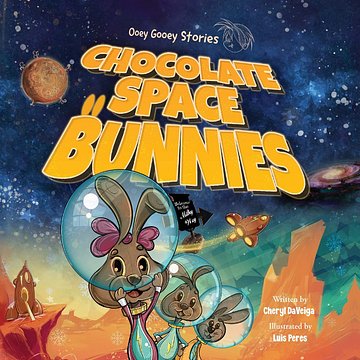
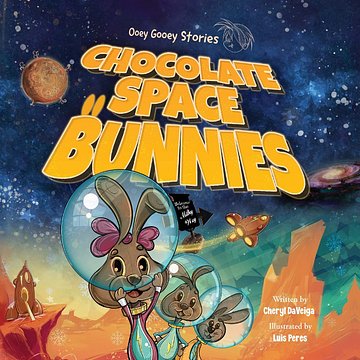
Don´t be afraid to invest in your dream; hire the illustrator, but make sure you are also investing in building the right team.
How to choose the right creative partner.
Start by defining the book you want to make. Is it art-led, with cinematic spreads and expressive characters? Is it text-heavy and educational? Is the cover meant to compete in a crowded online marketplace? Your answers will point to the skill set that matters most.
Then review portfolios with practical eyes. For illustrators, look for storytelling, consistency, child appeal, and worldbuilding. For designers, look for clean hierarchy, professional typography, strong covers, and finished-book credibility. If one professional offers both, make sure the evidence for both is present.
It also helps to ask process questions. Does the illustrator think in terms of manuscript interpretation, thumbnails, pacing, and revisions? Does the designer discuss print specs, trim sizes, type hierarchy, and production files? Specialists reveal themselves in the way they talk about the work.
Freelance illustration studios with extensive experience in visual storytelling, such as ICreateWorlds, often bridge this conversation well because they understand that a successful children’s book is not just illustrated or designed. It is built.
The better question is picture book illustrator vs graphic designer.
In the end, the most useful question is not which title sounds more creative. It is the expertise your book needs at this stage, and whether the person you hire understands children’s publishing as both an art form and a finished product.
A picture book asks for more than images. It asks for a believable world, characters with emotional life, pages that turn with purpose, and a final presentation worthy of the story inside. When the right roles are handled by the right hands, readers do not notice the division. They simply feel that the book works.
That is the standard worth aiming for - not just artwork on pages, but a visual story children will want to return to.