Self publishing, is it worth it ? Part2 of 3
An illustrator´s honest look at self publishing from a professional illustrator’s perspective. Discover the hidden struggles of print-on-demand books, indie publishing realities, book marketing challenges, and why passion alone is not enough – To print or not to print…on demand…
By Alcaminhante
5/23/20266 min read
Self-publishing a book sounds like a dream come true. Total creative freedom, worldwide distribution, and the possibility of turning your passion into a career. But is self-publishing really worth it? The honest answer is yes… and no. It all depends on your expectations, your goals, and especially the route you choose.
If you already read part one of my little self-publishing ramble, then you probably know I’m not here to sell fantasy promises or “get rich overnight” advice. I’m talking from real experience working as a freelance illustrator for indie authors, children’s book creators, fantasy writers, and self-published creators from all over the world. And after years of watching both success stories and total disasters, I can tell you one thing for sure: self-publishing can absolutely work, but it’s not as simple as uploading a book and waiting for sales to magically appear.
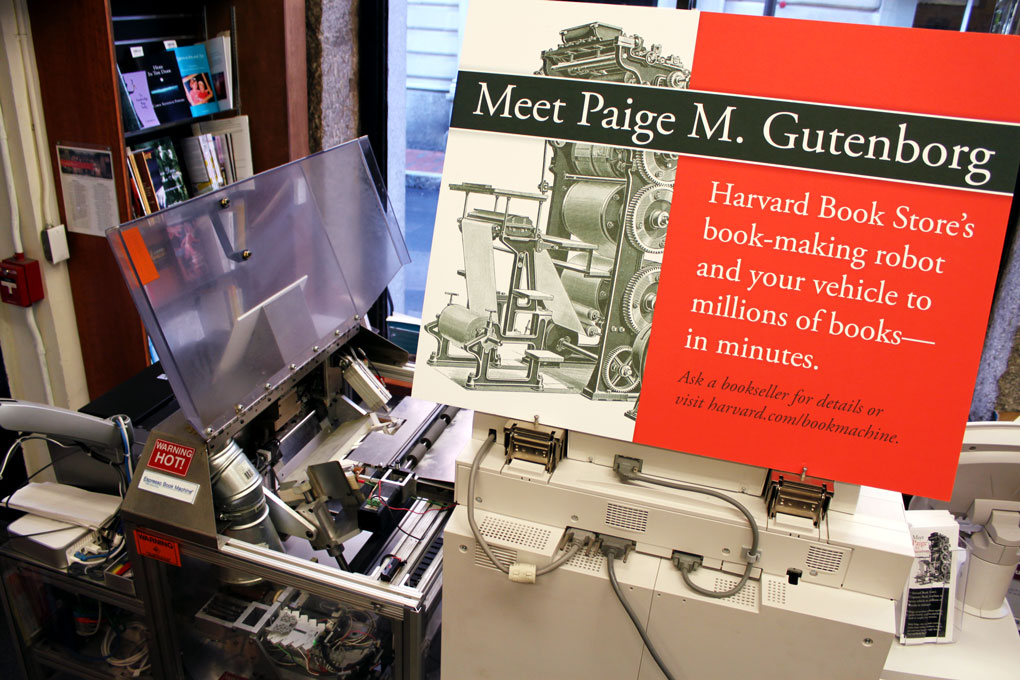
One of the biggest misconceptions surrounding self-publishing is the idea that print-on-demand platforms automatically generate exposure and income. Platforms like Amazon KDP, Lulu, IngramSpark and others make publishing incredibly easy. In fact, setting up your own online bookstore or uploading your children’s book, fantasy novel, comic book or illustrated project can be done in just a few hours. The problem begins afterwards.
Most new authors quickly discover that having your book online does not mean people will find it. The internet is flooded with millions of books, ebooks, graphic novels, journals, illustrated stories and independent publications competing for attention every single day. Without marketing, social media visibility, search engine optimisation, advertising or an already established audience, your beautifully designed self-published book may end up sitting unnoticed for months or even years.
And honestly, that can become emotionally brutal.
I’ve seen talented writers and amazing indie creators quit entirely because they uploaded a fantastic project, got almost no visits, no reviews, no sales and eventually convinced themselves their work “wasn’t good enough.” In reality, the problem usually wasn’t the quality of the book. The problem was visibility. Discoverability. Marketing. Exposure.
That’s the dangerous side of print-on-demand publishing that nobody talks enough about. It can make creators give up long before they ever truly start.
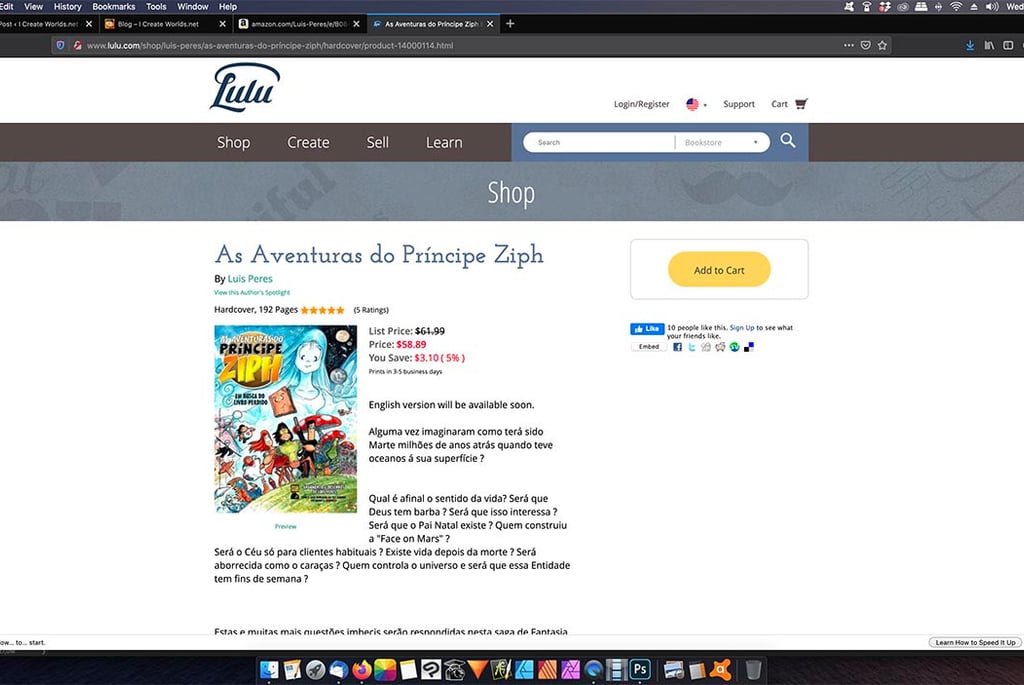
Another important thing many first-time self-published authors don’t realise is how little profit print-on-demand platforms actually generate per sale. Yes, these services handle printing, distribution and fulfilment, which is incredibly convenient. But the reality is that most of the money stays with the platform. If you sell a $15 children’s book, a fantasy novel or an illustrated hardcover, you may only receive one or two dollars in royalties after printing costs and fees. Sometimes even less.
That means if your dream is to become a full-time self-published author living exclusively from book sales, your project needs massive visibility and extremely high sales volume. We’re talking hundreds or thousands of monthly sales, not just a few copies here and there. And even then, advertising costs can quickly eat into your profits.
This is why marketing becomes such a huge part of independent publishing success. Facebook Ads, Google Ads, Amazon Ads, TikTok marketing, Instagram promotion, influencer outreach, newsletters, SEO optimisation, social media content creation… all of it matters. Self-publishing is no longer just about writing a great book. It’s also about becoming your own publisher, promoter, brand manager and marketing department all at once.
And yes, that can feel exhausting.
But here’s the interesting part. Despite all the negativity surrounding self-publishing online, I’ve personally witnessed more and more indie authors succeed over the last few years. As a children’s book illustrator for hire and fantasy concept artist, more than half of my work now comes from independent authors and self-publishing clients rather than traditional publishing companies. Many of those clients return later, asking for sequels, new illustrations, expanded editions, and additional books because their first projects have actually started generating sales and building audiences.
That tells me something important is happening in the publishing world.
Readers are becoming more open to indie books, self-published novels, independent children’s stories, Kickstarter board games and creator-owned projects. Platforms like Kindle Direct Publishing have allowed authors to completely bypass traditional gatekeepers and reach audiences directly. Some indie writers even manage to turn self-publishing into a full-time career through consistency, persistence, and smart marketing strategies.
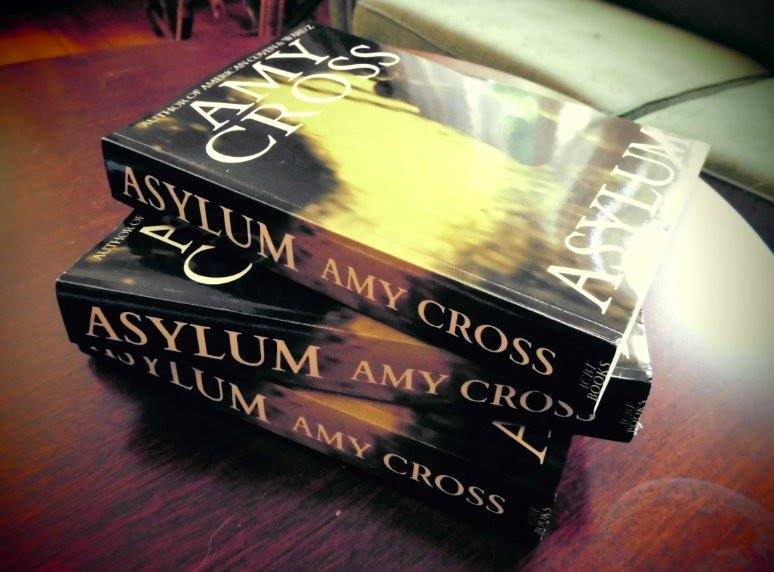
A great example is horror and supernatural author Amy Cross, who built a huge audience through Amazon KDP and indie publishing. Her success proves that self-publishing is not automatically “inferior” to traditional publishing. In many cases, it simply offers a different path — one where creators keep more control over their stories, schedules, branding and artistic vision.
And honestly, I think that creative freedom matters a lot.
Self-publishing allows writers, illustrators and storytellers to bring deeply personal projects into the world without waiting for approval from traditional publishers. You can publish your children’s picture book, fantasy novel, horror story, comic series, art book or retro gaming-inspired adventure exactly the way you imagined it. That alone can make the entire experience worthwhile.
The key is entering self-publishing with realistic expectations.
If you expect instant fame, overnight bestseller success and financial freedom within a few weeks, you’ll probably end up disappointed. But if you see self-publishing as a long-term creative journey, a way to build your audience, improve your craft, create a professional portfolio and slowly grow your brand over time, then self-publishing can become one of the most rewarding things you've ever done.
Consistency matters more than most people realise. Authors who continue publishing books, improving their marketing, learning SEO, growing newsletters and building communities tend to perform far better over time than creators who release one single book and disappear after three months.
And presentation matters too. A lot.
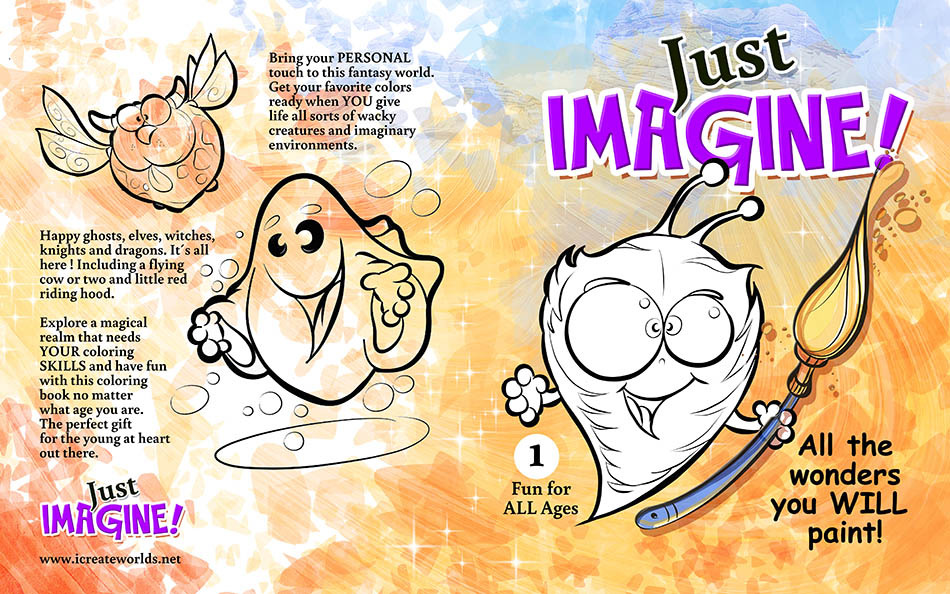
One thing I always tell aspiring indie authors is this: your book needs to look professional. A fantastic story hidden behind weak illustrations, poor typography, amateur formatting or a low-quality cover can seriously hurt your chances. Readers absolutely judge books by their covers, especially online. Professional children’s book illustration, strong fantasy artwork, polished formatting and eye-catching design can make the difference between a book that gets ignored and one that instantly grabs attention.
At the same time, be careful not to fall into expensive vanity-press traps that promise unrealistic success. There are countless companies online targeting new authors with overpriced “publishing packages” that cost thousands of dollars while delivering very little value. Learn carefully, research thoroughly and avoid going broke trying to publish your dream project.
So, is self-publishing worth it?
If you want complete creative freedom… yes.
If you want to build your own audience… yes.
If you’re willing to learn marketing and promotion… yes.
If you understand that success takes time… absolutely yes.
But if you expect instant visibility with zero effort after uploading a book to a print-on-demand platform, then no, it probably won’t work the way you imagine.
Still, I honestly believe there’s something incredibly powerful about putting your stories, illustrations and ideas into the world instead of leaving them forever hidden inside a drawer. Whether it becomes a hobby, a side income or eventually a full-time career, self-publishing gives creators a chance that simply didn’t exist years ago.
And who knows? Your children’s book, fantasy novel, illustrated adventure or indie comic might end up becoming the next unexpected success story.
Andy Weir, author of The Martian and Project Hail Mary, started as an indie author too. And see where that self-publishing effort ended up getting him!
If you never try, you’ll never know. 😉