Why Graphic Novels for Kids Are Quietly Becoming the Future of Children's Publishing
Discover why graphic novels for kids are booming. From Amulet and Lightfall to indie projects like Surfbots at ICreateWorlds, explore how children's graphic novels are reshaping publishing and captivating readers aged 7-12.
GRAPHIC NOVELS FOR KIDSCHILDREN'S GRAPHIC NOVELSMIDDLE GRADE FANTASY BOOKSAMULET GRAPHIC NOVELTHE AMAZING SURFBOTS GRAPHIC NOVELS FOR KIDS
By Alcaminhante
6/6/20265 min read
Why Graphic Novels for Kids Are Quietly Becoming the Future of Children's Publishing.
For years, whenever someone mentioned children's books, most people immediately thought of traditional picture books or short chapter books. Yet over the last decade, something fascinating has been happening in publishing. Modern Graphic novels aimed at readers between 7 and 12 years old have exploded in popularity, becoming one of the most successful categories in children's literature.
What many adults don't realise is that these books are not simply comics for kids. They are often fully realised fantasy adventures, mysteries, science fiction stories, and coming-of-age tales that happen to use visual storytelling as one of their strengths.
Walk into any modern bookstore, and you'll find entire sections dedicated to children's graphic novels. Libraries can barely keep some titles on the shelves, and teachers increasingly recommend them to reluctant readers and avid readers alike.
As an illustrator and storyteller myself, I find this trend incredibly exciting because it proves that children's publishing is evolving. Kids are no longer limited to choosing between a heavily illustrated picture book and a text-heavy novel. Graphic novels occupy a perfect middle ground, offering immersive worlds, memorable characters, and rich storytelling in a format that today's readers naturally connect with.
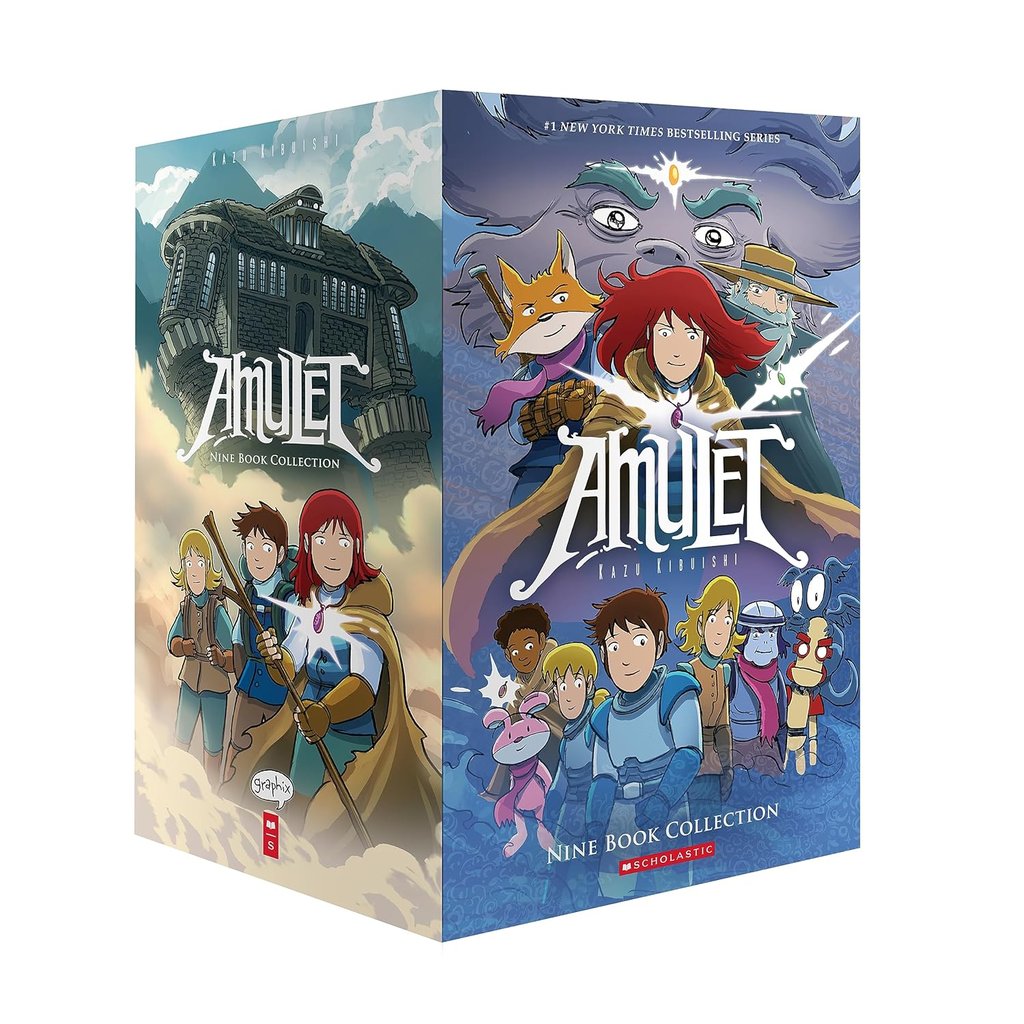
The success of series like Amulet and Lightfall demonstrates that young readers are hungry for stories that respect their intelligence and imagination. These books aren't succeeding because they are simplified. They are succeeding because they are ambitious.
And that is exactly why graphic novels are becoming one of the most important storytelling formats for children today.
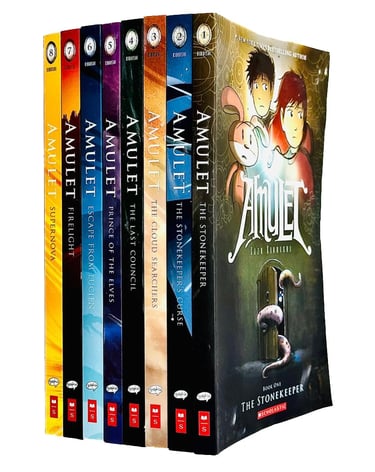
Amulet and Lightfall Prove That Children's Stories Don't Need to Be Infantile.
Whenever someone asks me for a fantasy book recommendation these days, they are often surprised by my answer.
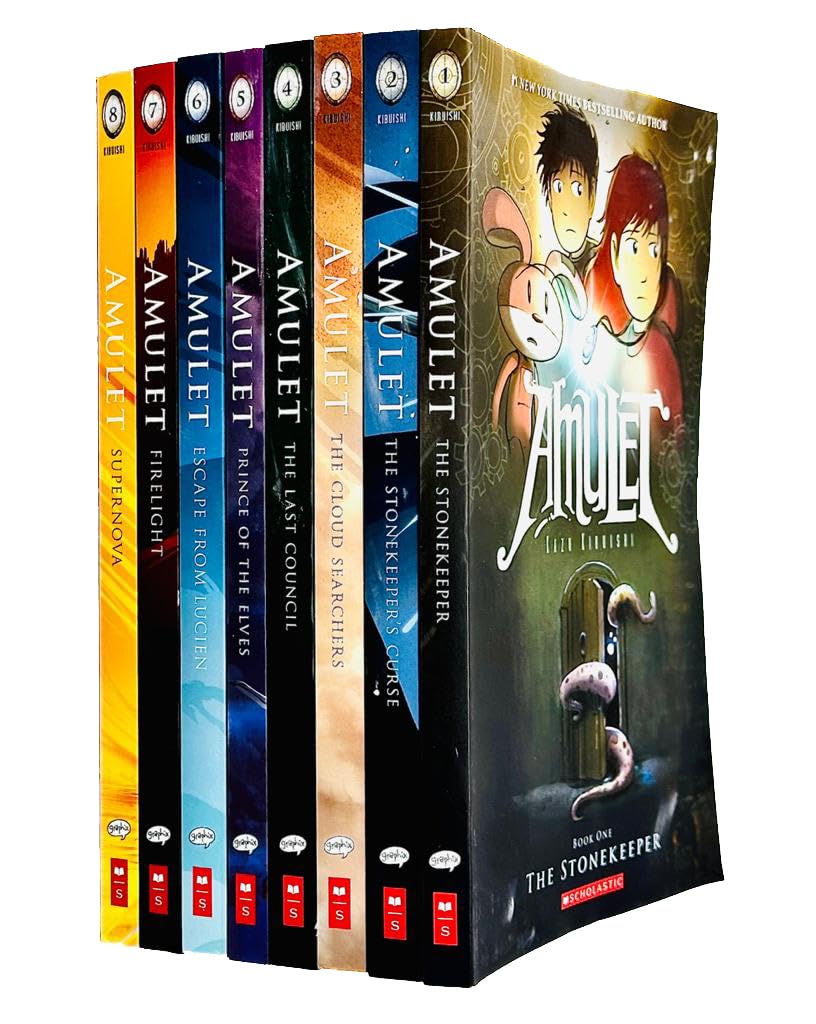
One of the first series I recommend is Amulet.
Not because it is a children's graphic novel. Because it is simply one of the best fantasy stories I have read in the last twenty years. That statement often catches adults off guard.
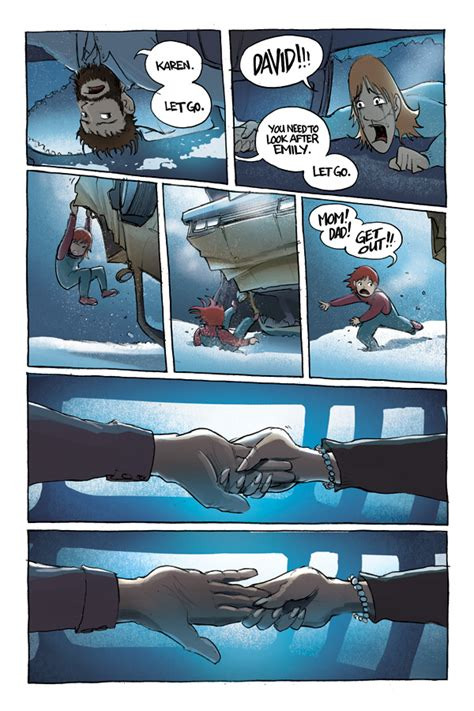
Many people still assume that a graphic novel aimed at younger readers must be simplistic, childish, or limited in scope. Amulet completely destroys that misconception. Its world-building is extraordinary. The characters are memorable and emotionally believable. The story arc develops over multiple volumes with the kind of ambition usually associated with major fantasy novels.
As someone who loves fantasy literature, I genuinely place Amulet among my favourite fantasy experiences of the last two decades. I couldn´t stop reading it, and the world-building is one of the best I´ve seen in years. In fact, this may be looked at as a children´s comic, but in my own view, it´s better than pretty much I´ve seen coming from Marvel and DC in the last decade, at least, and many times even less childish than what superhero comics put out as adult entertainment.
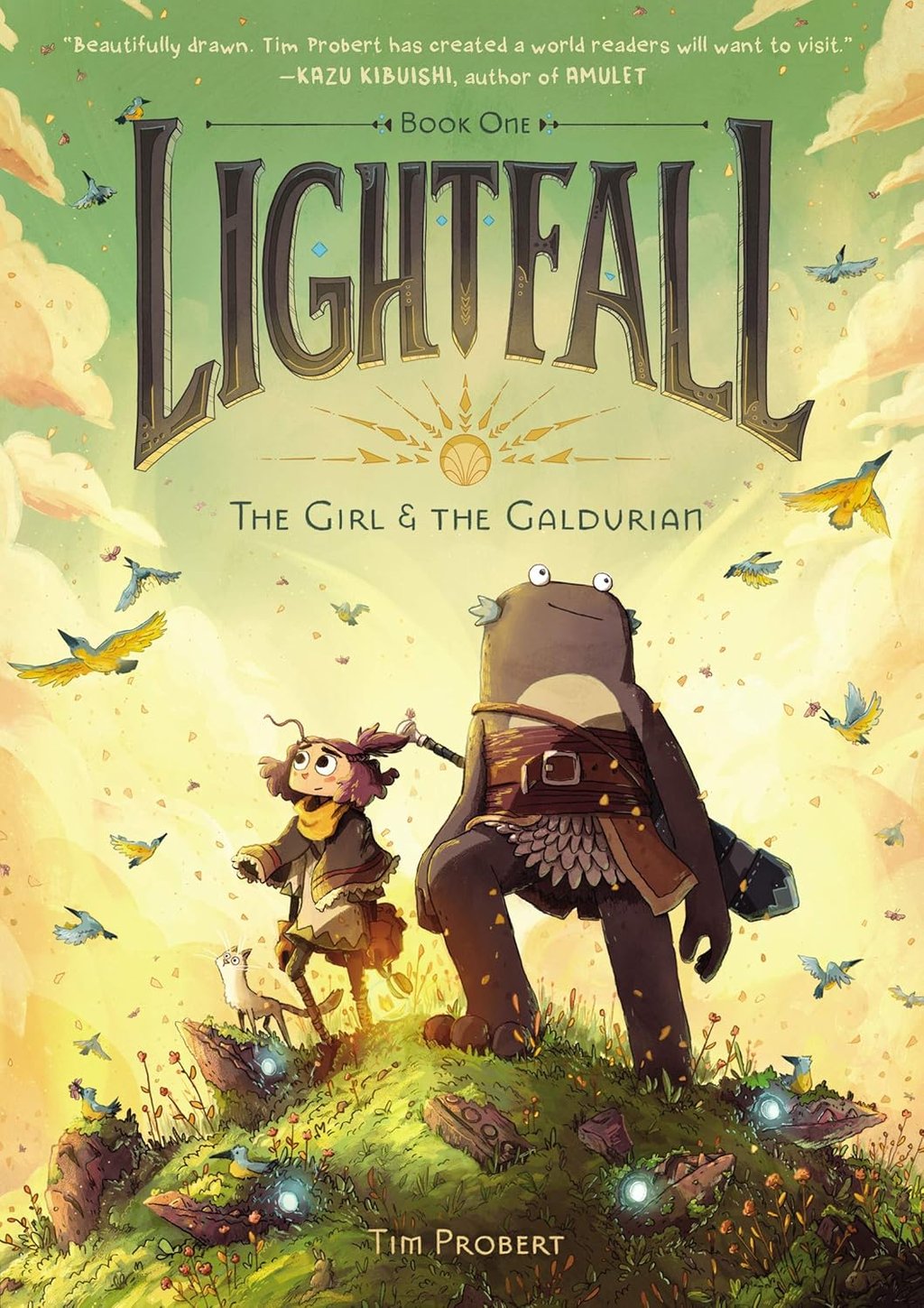
The same is true for Lightfall.
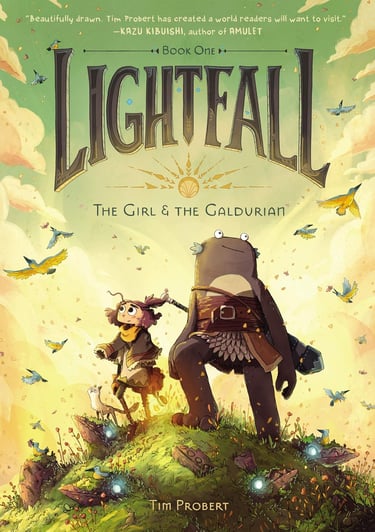
Tim Probert's beautiful series combines breathtaking artwork with a touching story filled with mystery, wonder, friendship, courage, and personal growth. Like Amulet, it trusts its audience. It doesn't talk down to children. It doesn't treat young readers as low-IQ little humans who need every concept simplified. Instead, both series understand something that many creators forget: children are intelligent. Young readers are perfectly capable of engaging with complex emotions, moral dilemmas, loss, sacrifice, fear, responsibility, and hope when those themes are presented in an accessible way.
Neither Amulet nor Lightfall is dark for its own sake, but both weave mature themes throughout their narratives. They recognise that children often enjoy stories with genuine emotional depth. That depth is one of the reasons these books resonate so strongly with children and adults alike.
In fact, I often find myself recommending these graphic novels to grown-ups who ask me for fantasy recommendations. The last thing they expect is for me to point them toward a graphic novel sitting in the 7-to-12-year-old section of a bookstore.
Then they read them.
And they understand exactly why.
I will be reviewing each of these on this blog soon, so stay tuned.
The Secret Ingredient: Timeless Storytelling That Appeals to Every Generation.
One of the reasons I believe graphic novels like Amulet and Lightfall have become so successful is that they possess something very rare: timelessness.
When I think about children's literature that has survived generation after generation, I immediately think of books like the Famous Five series by Enid Blyton.
Those books continue to sell decades after they were written because they tap into universal feelings of adventure, discovery, friendship, mystery, and independence. Children today still respond to them for the same reasons children did fifty years ago.
The magic isn't in the specific era or setting.
The magic is in the storytelling.
I believe Amulet and Lightfall capture that same timeless quality.
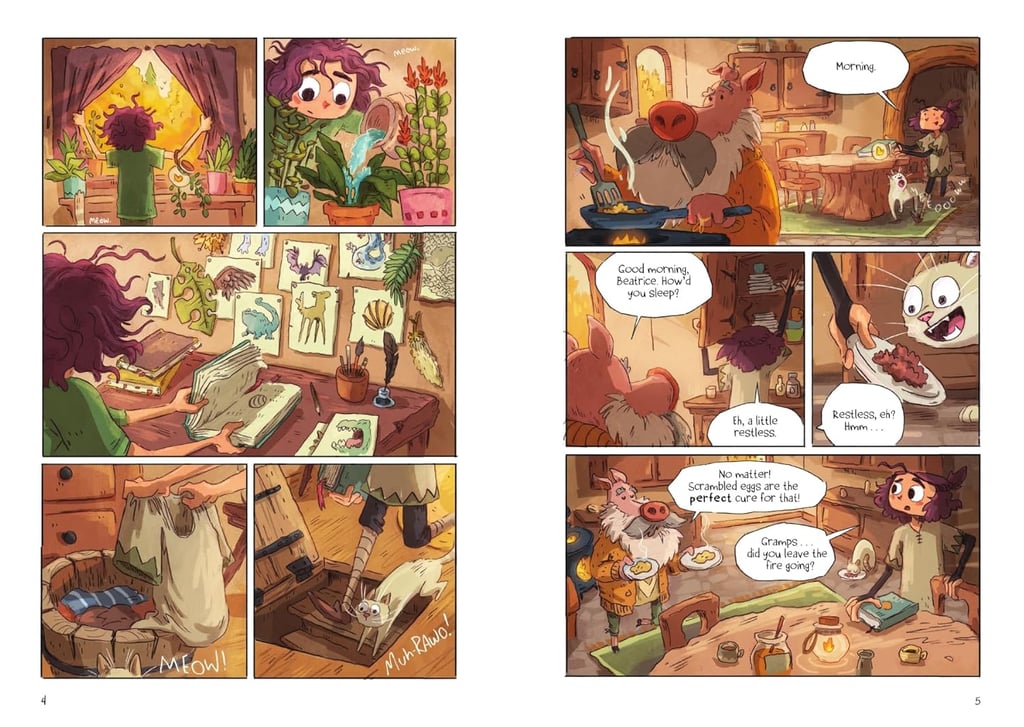
Children love them because they are exciting adventures filled with unforgettable characters and incredible worlds. Adults love them because they recognise the craftsmanship behind the stories, the emotional depth, the careful world-building, and the themes that resonate regardless of age. The difference is that Amulet and Lightfall achieve this through the language of graphic novels.
They are creating for today's generation what classic adventure novels created for previous generations.
As an illustrator, I find that incredibly inspiring.
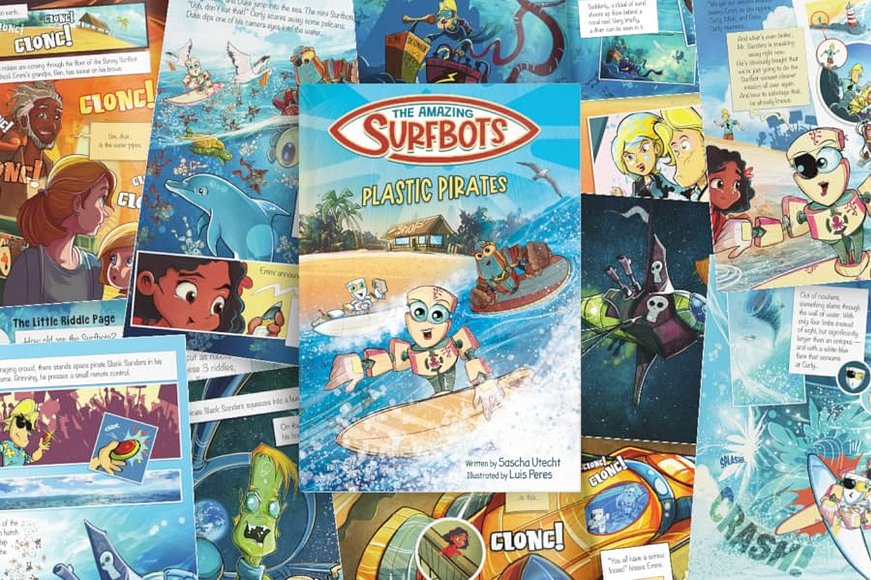
At ICreateWorlds, I've increasingly seen independent authors interested in creating graphic novels rather than traditional children's books. One example is Surfbots, a graphic novel project developed for indie authors who wanted to tell a larger, more visually immersive story.
Projects like Surfbots reflect a growing understanding within children's publishing: young readers want rich worlds, exciting adventures, humour, memorable heroes, and stories that respect their intelligence.
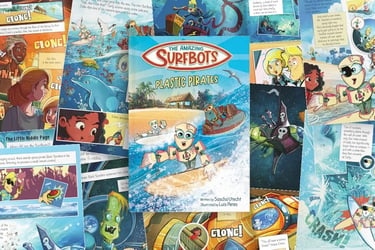
Graphic novels provide a perfect platform for delivering all of those things.
Traditional children's books will always have an important place in publishing, and they should. But it is becoming increasingly clear that graphic novels are no longer a niche format competing for attention on the sidelines. They are becoming one of the defining storytelling mediums for readers between 7 and 12 years old.
The success of Amulet, Lightfall, and many other modern graphic novels shows that children are eager for stories that challenge, inspire, and transport them to unforgettable worlds. And if the current trend continues, the next generation's equivalent of the classic children's adventures we all grew up with may not arrive as a traditional novel at all.
It may arrive as a graphic novel.